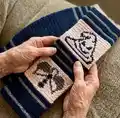
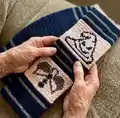
About This Ravenclaw Scarf Pattern
This pattern creates a Ravenclaw house scarf worked in single crochet with row-by-row colorwork. The scarf uses simple single crochet color change technique to create stripes and motifs. It is written with a bottom-to-top chart of 30 stitches across and includes a DMC color legend for clarity.
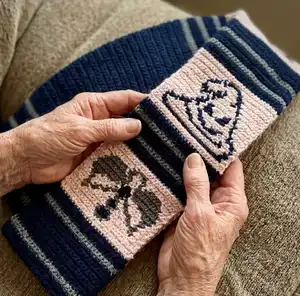
Worked in worsted weight yarn with a 4.5mm hook, this scarf is a great intermediate project. The pattern lists each row across the 30-stitch width so you can follow color changes precisely.
Why You'll Love This Ravenclaw Scarf Pattern
I absolutely love this pattern because it turns a simple single crochet fabric into a richly detailed Ravenclaw scarf with clean color changes. I enjoy how the charted rows give you precise control over every stitch and color transition, so the motifs come out crisp and recognizable. I also love that this pattern uses accessible materials—worsted yarn and a 4.5mm hook—so it is easy to gather supplies and get started. Watching the stripes and motifs appear row by row is very satisfying and keeps me motivated to finish. This pattern makes a thoughtful handmade gift for Harry Potter fans and a cozy, wearable piece for chilly days.
Switch Things Up
I love how versatile this scarf pattern is for customization; you can swap the Navy color for any team or fandom hue to personalize the look.
I often change the main background color to make a softer pastel version, which looks great with lighter contrast shades.
Want a chunkier scarf? Use bulky yarn and a larger hook; this will make a faster, squishier version of the same design.
To make a mini version for a keychain or doll, use sport or fingering weight yarn and a smaller hook while keeping the 30-stitch grid.
I sometimes add a thin border in a contrasting color around the finished scarf to frame the motifs and give a neat edge.
For a fringed finish, cut even strands and attach them along the short edges for a classic scarf look; you can also skip fringe for a cleaner finish.
I recommend experimenting with embroidered highlights on the motifs after crocheting to add metallic or sparkly details.
If you prefer fewer color changes, simplify the motif rows into broader stripes and reserve the detailed chart rows for the center panel only.
I also like to alternate the order of the stripe blocks so each scarf I make has a unique rhythm of color transitions.
Finally, try carrying colors along the wrong side for tidier floats, or cut and weave in on each color change if you prefer no carried strands.
Common Mistakes & How to Fix Them
✗ Skipping the stitch count on each row can cause your motif to be misaligned; count after every row and confirm you have 30 stitches before turning.
✗ Changing color without securing yarn tails will create loose floats and messy edges; carry the unused yarn neatly or weave in ends as you go.
✗ Using inconsistent tension during color changes makes the fabric ripple or pucker; keep a consistent, relaxed tension and check gauge frequently.
✗ Not blocking the scarf after finishing can leave it looking uneven and floppy; block gently to straighten stitches and flatten colorwork for a polished finish.