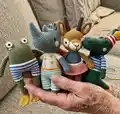
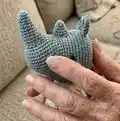
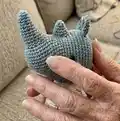
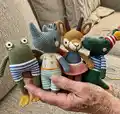
About This Animal Friends of Pica Pau Amigurumi Pattern
This pattern collection creates a series of small amigurumi animal friends, each with distinctive shapes and charming personalities. You will learn toy-focused techniques like working in spirals, invisible decreases, and joining parts. The patterns emphasize dense stitching and tidy finishing to keep stuffing from showing through.
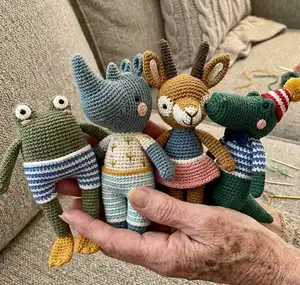
Perfect for making handmade gifts or building a whimsical toy collection, the instructions are detailed and supported by tool and yarn guidance. You will find helpful notes on materials, stitch placement, and assembly methods.
Why You'll Love This Animal Friends of Pica Pau Amigurumi Pattern
I absolutely love this collection because it brings playful characters to life with simple, thoughtful design choices that highlight personality in every piece. I enjoy the balance between structure and whimsy — you can make toys that are sturdy and child-safe while still being endlessly charming. I also appreciate how the book teaches core amigurumi techniques, which makes each pattern a learning experience as well as a creative project. Watching someone hold a finished toy and smile is the best part of sharing these patterns.
Switch Things Up
I love customizing these amigurumi — changing colors can totally alter a character's personality and mood so I often test different palettes before settling on one.
If you want a softer toy, switch to a wool blend and slightly larger hook for a plush finish; conversely, use a thinner cotton and smaller hook for mini keychain versions.
I sometimes embroider extra facial expressions or freckles to personalize each friend; embroidery adds character without complicated sewing.
Try adding small crocheted accessories like scarves, hats, or tiny backpacks to create themed sets or seasonal characters for gifts.
To make the toys posable, consider inserting thin craft wire into limbs; this lets you adjust arms and legs while still keeping the exterior soft.
Experiment with safety eye sizes and positions — moving eyes up or down the face significantly changes the expression and charm.
If making toys for small children, I replace plastic eyes with embroidered features to ensure safety while keeping a sweet look.
Mix textured yarns for contrast: use boucle or chenille for a fuzzy mane or tail, while keeping the body in smooth cotton for durability.
Scale the design by changing yarn weight and hooks: bulky yarn and big hooks produce a cozy cuddle toy, while fingering yarn creates tiny collectible pals.
I like to create small themed sets (forest animals, sea creatures) by tweaking color combos and accessories so they look cohesive when displayed together.
Finally, I often add felt or fabric elements glued or sewn on as clothes for a mixed-media effect; always secure attachments well for durability.
Common Mistakes & How to Fix Them
✗ Skipping stitch markers when working in continuous rounds leads to misplaced rounds and counting errors; place a marker at the first stitch of each round and move it up as you work.
✗ Overstuffing toy parts causes stretched stitches and distorted shapes; stuff gradually and evenly, adding small amounts to shape while stitching to maintain smooth contours.
✗ Using a hook that is too large for the yarn results in a loose fabric where stuffing shows through; use a hook two or three sizes smaller than garment recommendations to produce a dense fabric suitable for toys.
✗ Not securing safety eyes properly can lead to faults or hazards; insert safety eyes according to manufacturer instructions and, for small children, consider embroidering features or using glue and washers for extra security.
✗ Neglecting to weave in ends as you go creates a messy finish and excessive tail management at the end; weave in ends progressively and trim neatly to keep seams tidy.