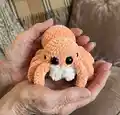
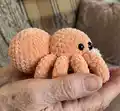
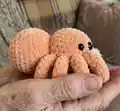
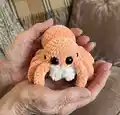
About This Low Sew Spider Amigurumi Pattern
This pattern creates a soft, plush low-sew spider amigurumi using chunky plush yarn for a squishy finish. It features eight simple stuffed legs, a round head with attached legs, fuzzy yarn fangs, and two sizes of safety eyes for personality. The design emphasizes minimal sewing while keeping the charming look of a cuddly toy.
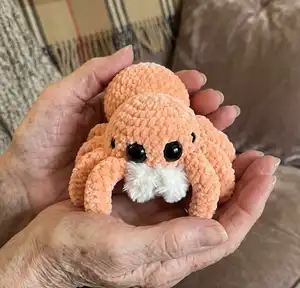
Worked in continuous rounds, the pattern gives clear round-by-round instructions for legs, head, and body. Youll finish with a roughly 8 inch plush spider depending on yarn and hook choice.
Why You'll Love This Low Sew Spider Amigurumi Pattern
I absolutely love this pattern because it turns simple plush yarn into a characterful, huggable friend with very little sewing. I enjoy the balance of structured rounds and low-sew assembly that keeps the project quick yet satisfying. The fuzzy fangs add such a whimsical touch that always gets compliments. Making the legs individually and attaching them gives you control over placement so each spider feels unique and well posed. I find this design great for using up small amounts of specialty yarn and experimenting with eye sizes.
Switch Things Up
I love to switch up the yarn color to create seasonal or themed spiders; try pastel pinks for cute decor or deep purples and blacks for a spooky vibe.
You can change the yarn weight and hook to alter finished size — bulkier yarn with a larger hook gives a chunkier, cuddlier spider while finer yarn creates a mini version.
I like adding embroidery or small felt mouths to change the expression; a tiny stitched smile or surprised O can completely alter the personality.
Swap the fuzzy yarn for pompoms or faux fur scraps for different fang textures and more dramatic fluff under the eyes.
Try using safety eyes in different colors or mirrored ones for a whimsical look, or replace them with embroidered eyes for a child-safe toy.
For posable legs try inserting a length of floral wire or pipe cleaner inside each leg before finishing to bend them into unique poses.
Make a matching set by varying eye sizes and yarn hues to create a family of spiders with different ages and personalities.
I often add tiny accessories like mini scarves, bows, or crocheted hats to make each spider a gift-ready character.
If you want a flatter, more mobile friend, close the leg ends with 3 sc per the note to create floppy poseable legs that move more freely.
Try combining two yarn textures for body and legs — a smooth plush body with slightly rougher legs adds visual contrast and tactile interest.
I also recommend testing eye placement on a scrap before securing so you can experiment with spacing and overall facial expression.
Finally, turn leftover yarn scraps into extra fangs or tiny props to personalize each spider without buying new materials.
Common Mistakes & How to Fix Them
✗ Skipping stuffing while working the legs leads to flat or misshapen legs; stuff each leg as you go, adding small amounts gradually for even shape.
✗ Not securing leg tails properly can cause legs to come loose during play; knot and weave in leg tails or secure with a few stitches to hold them tight.
✗ Placing safety eyes without checking spacing can make the face look unbalanced; attach eyes between rows 7-8 in the 7-st space with 3 sts between center eyes, checking placement before securing.
✗ Using too large or too small hooks relative to the yarn creates incorrect sizing; use 5 mm for Parfait chunky or 6 mm for Sweet Snuggles Lite and adjust hook if necessary for gauge.
✗ Skipping the stitch marker when working continuous rounds results in losing your start point; use a stitch marker to track the beginning of each round for accurate stitch counts.
✗ Overstuffing the head and body can distort shaping and reduce softness; stuff firmly but gradually and shape as you go to maintain a smooth surface.