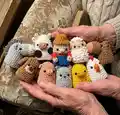
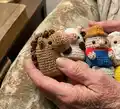
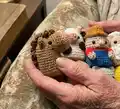
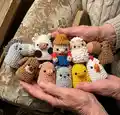
About This Farm Finger Puppet Amigurumi Pattern
This pattern pack teaches you how to crochet a set of 10 farm-themed finger puppets including Old McDonald, cow, chicken, cat, duck, pig, dog, horse, donkey, and lamb. Each puppet is worked mostly in back loop only (BLO) for a flat, thin shape, with small add-on parts and simple embroidery for features. The designs use basic stitches and small components so theyre quick to make and easy to customize.
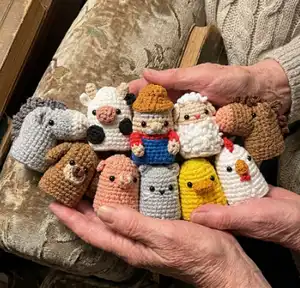
Perfect for making a complete set for playtime or gifting, these puppets are tiny and portable. Photo references and clear assembly steps help you place eyes, noses, and accessories accurately.
Why You'll Love This Farm Finger Puppet Amigurumi Pattern
I absolutely love this pattern because it turns simple crochet into a delightful set of tiny characters that spark imaginative play. I enjoy how quick each puppet is to make, yet how expressive the small details become with a bit of sewing and embroidery. The set is versatile — you can change colors to match your favorite farm scene or make multiples as gifts. Creating the mane, wattle, or patches by hand gives each puppet a handmade personality I always treasure.
Switch Things Up
I love how easy it is to customize these puppets with color swaps — you can change the cow spots, make the pig pinker, or convert the duck to a chick with a brighter yellow.
Want a softer look? Use a fuzzy or boucle yarn for the lambs fur and work the loops loose to create a fluffy texture instead of the looped fur described.
If youd like bigger puppets, switch to a bulkier yarn and a larger hook; the same stitch counts will create a chunkier, more tactile puppet perfect for toddlers.
For tiny keychains, use thinner yarn and a 2.5mm hook to make miniatures that attach to a ring — reduce stuffing and secure beads carefully.
I sometimes embroider expressive eyebrows or tiny freckles to give more personality; these small changes make each puppet unique.
You can substitute safety eyes for beads on adult-made display puppets, but for childrens play consider embroidered or stitched eyes for safety.
Try adding tiny crocheted accessories like scarves, hats, or a little felt barn to build a themed playset — the hat pattern here adapts nicely to many characters.
If you prefer no-sew assembly, experiment with fabric glue for small parts but test for durability first; sewing is always the most secure option for toys.
I recommend mixing yarn textures within one puppet for contrast — smooth cotton body with a wool mane for the horse creates a nice visual distinction.
Finally, make sets in color palettes (pastels, autumn tones, or bright primary colors) for cohesive gifts or classroom sets that children will love to collect and play with.
Common Mistakes & How to Fix Them
✗ Skipping the Back Loop Only (BLO) instruction will change the flat shape of the puppet; always work the rounds in BLO where indicated to achieve the thin, finger-fit profile.
✗ Not changing colors exactly at the round indicated will misalign stripes or clothing details; switch yarn at the end of the exact round noted to keep color bands neat.
✗ Forgetting to place the eyes on the correct round causes facial features to look too high or low; count rounds carefully and mark the center stitches before attaching beads.
✗ Sewing on parts without pinning first can lead to crooked placement; pin or temporarily tack nose, ears, and patches and check from different angles before permanently sewing.
✗ Stuffing too much into small nose or snout pieces will distort shapes and make sewing difficult; use minimal stuffing and add very small amounts gradually until the shape is right.