🧢 Beautiful ✨ Detailed πŸ’ Adorable

Brian the Penguin Amigurumi Pattern

Brian the Penguin Amigurumi Pattern
4.4β˜… Rating
2-3 Hours Time Needed
1.8K Made This
βœ‚οΈ

Beginner Friendly Level

Perfect for those just starting their crochet journey, with clear instructions and simple techniques

⏱️

Bite-Sized Project

Finishes in 2-4 hoursβ€”perfect for an afternoon of creative relaxation.

🧸

Cute Companion

An adorable friend to cherish, handcrafted with love to bring comfort and joy for years to come.

About This Brian the Penguin Amigurumi Pattern

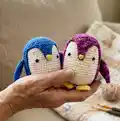
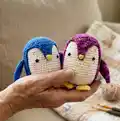
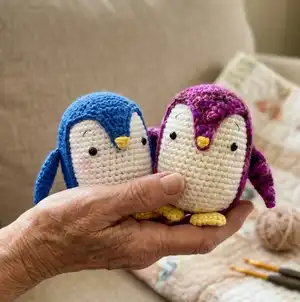
This pattern creates a small, cuddly penguin amigurumi named Brian with a separate colourful coat, little flippers and yellow feet. It focuses on basic shaping using single crochet in continuous rounds and simple row work for the beak. The instructions are written in US terminology and are ideal for makers learning amigurumi techniques.

Brian the Penguin Amigurumi Pattern crochet pattern - detailed view of completed project

Youll get complete stitch-by-stitch rounds for every piece plus assembly guidance and optional facial details. The finished penguin measures approximately 5 inches tall when using the recommended 2.5mm hook.

Why You'll Love This Brian the Penguin Amigurumi Pattern

I absolutely love this pattern because it takes simple stitches and turns them into a charming, characterful toy that feels special yet achievable. I designed Brian to be small enough for a quick project but detailed enough to practice shaping and finishing techniques. The separate coat idea is one of my favourite touches β€” it adds colour and personality without complicating the body shaping. I also enjoy that the pattern encourages you to try small embroidery details like eyebrows and a tiny yellow beak triangle for extra charm.

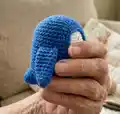
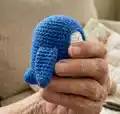
Brian the Penguin Amigurumi Pattern step 1 - construction progress Brian the Penguin Amigurumi Pattern step 2 - assembly progress Brian the Penguin Amigurumi Pattern step 3 - details and accessories Brian the Penguin Amigurumi Pattern step 4 - final assembly and finishing

Switch Things Up

I love changing colours to create unique Brians; try a gradient coat or contrasting body shades for instant personality.

To make Brian larger or smaller, change yarn weight and use an appropriate hook β€” bulky yarn will make a chunky, cuddly version while fingering weight creates a mini keychain-sized penguin.

I often swap yarn textures for the coat so it stands out β€” alpaca, merino or cotton each give a different drape and finish.

Experiment with different eye types: embroider small eyes for a baby-safe toy or use larger safety eyes for an expressive look (if not for young children).

Add little accessories like a tiny scarf or a tiny crocheted hat to personalise Brians style and make a seasonal collection.

I sometimes embroider different eyebrow shapes or mouth lines to change Brians expression from shy to cheeky β€” try placement variations to play with personality.

Try making a matching set of penguins in complementary colours for a gift box or nursery display β€” coordinating feet and beak yarn ties the set together.

For a textured coat, work the coat in BLO or FLO stripes or use a simple stitch change to create a ribbed or scalloped effect that still fits over the body.

I sometimes add a little wire inside the flippers for gentle posability β€” seal edges well and use a wire safe for toys if you choose to add it.

Dont be afraid to combine embroidery, felt and crochet details such as tiny felt hearts, stitched patterns or small crocheted props to make each Brian truly one-of-a-kind.

Common Mistakes & How to Fix Them

βœ— Skipping stitch markers when joining new sections can make it hard to find the correct placement for the beak later; mark the joining stitch and place an additional marker where instructed. βœ— Not stuffing gradually causes lumps and a misshapen body; stuff little by little during rounds and check shape frequently by trying the coat on as you go. βœ— Using different brands or yarn weights for body and coat will create a poor fit; use yarns that work up to the same size or the same brand to ensure the coat fits the body. βœ— Pulling your tension too tight during increases compresses the toy and makes sewing pieces together difficult; keep an even, slightly firm tension for smooth shaping and easy assembly.

Brian the Penguin Amigurumi Pattern

Bring Brian the Penguin to life with this delightful beginner-friendly amigurumi pattern. Youll enjoy clear, photo-guided instructions and simple shaping to create a 5-inch tall penguin with a cosy colourful coat. Perfect for gifting or decorating, this pattern uses DK/light worsted yarn and basic single crochet techniques to build confidence while making something adorable.

Beginner Friendly 2-3 Hours

Materials Needed for Brian the Penguin Amigurumi Pattern

β€” Main Fabric

  • 01
    General recommendation: DK / Light Worsted weight yarn for body and coat (choose same brand or yarns that will work up to the same size to avoid poor fit)
  • 02
    Colour (A): Made by Penguins DK / Light Worsted Baby Alpaca, Blackberry - approx 25g (used for the coat/flippers)
  • 03
    Colour (B): Novita DK Baby Merino, Cream - approx 20g (used for the body)
  • 04
    Colour (C): Ricorumi DK Cotton, pale yellow - approx 10g (used for feet and beak)
  • 05
    Small amounts of black and yellow thread for embroidery and facial detail

β€” Tools Required

  • 01
    Crochet hook size 2.5mm (recommended)
  • 02
    Safety eyes 6 mm x 2 (safety eyes are not recommended for young children)
  • 03
    Toy stuffing / polyester filling
  • 04
    Tapestry needle for construction and embroidery
  • 05
    Stitch marker
  • 06
    Scissors
  • 07
    Small amount of blush for cheeks (optional)
  • 08
    Pins for assembly (optional)

Progress Tracker

0% Complete

β€” The Coat :

Info :

Use yarn A.

Info :

Ch 13

Round 1 :

Work this round in BLO, Sc in 2nd Ch from your hook, Sc x 10, (Sc x 3) in the last Ch

Info :

Now work down the other side of your foundation chain.

Round 1 :

Sc x 10, Sc inc (26)

Info :

Work in continuous rounds.

Round 2 :

Sc inc, Sc x 10, Sc inc x 3, Sc x 10, Sc inc x 2 (32)

Round 3 :

Sc, Sc inc, Sc x 10, (Sc, Sc inc) x 3, Sc x 10, (Sc, Sc inc) x 2 (38)

Round 4 :

Sc x 2, Sc inc, Sc x 10, (Sc x 2, Sc inc) x 3, Sc x 10, (Sc x 2, Sc inc) x 2 (44)

Round 5 :

Sc x 3, Sc inc, Sc x 10, (Sc x 3, Sc inc) x 3, Sc x 10, (Sc x 3, Sc inc) x 2 (50)

Round 6 :

Sc x 4, Sc inc, Sc x 10, (Sc x 4, Sc inc) x 3, Sc x 10, (Sc x 4, Sc inc) x 2 (56)

Round 7 :

Sc inc, Sc x 15, (Sc inc, Sc x 5) x 3, Sc x 10, (Sc inc, Sc x 5) x 2 (62)

Round 8-16 :

Sc x 62 (62) 9 rounds

Round 17 :

Sc x 8, Sc dec, Sc x 10, Sc dec, Sc x 2,

Info :

Mark the stitch just made with a stitch marker.

Round 17 :

Sc x 5, Sc dec, Sc x 8, Sc dec, Sc x 10, Sc dec, Sc x 7, Sc dec (56) SS, break yarn & pull through: Leave a long tail for sewing later.

β€” The Beak :

Info :

Attach yarn A where you placed your stitch marker on round 17 of the coat. Now place your stitch marker 1 stitch back from where you have just joined your yarn.

Info :

This section is worked in rows: We will Ch 1 and turn at the end of each row.

Info :

Ch 1 - Your first Sc will be made in the same St where you have just joined your yarn

Round 1 :

Sc x 14 (14)

Round 2 :

Sc dec, Sc x 10, Sc dec (12)

Round 3 :

Sc dec, Sc x 8, Sc dec (10)

Round 4 :

Sc dec, Sc x 6, Sc dec (8)

Round 5 :

Sc dec, Sc x 4, Sc dec (6)

Round 6 :

Sc x 6 (6)

Round 7 :

Sc dec, Sc x 2, Sc dec (4)

Round 8 :

Sc x 4 (4)

Round 9 :

Sc dec x 2 (2)

Round 10 :

Sc x 2 (2)

Round 11 :

Sc dec (1)

Round 12 :

Sc x 1 (1) Do not Ch 1 & turn here. Break yarn & pull through. Weave in the loose end.

Info :

We will now Sc around the edge of the beak. Join yarn A where your stitch marker is now placed (this should be one stitch back from where you joined your yarn to start the beak).

Info :

Ch 1 and SS on to the side of the beak. Sc up the edge until you reach the point of the beak: Make 3 Sc in the final St from row 12 of the beak. This should give you a nice point.

Info :

Sc back down the other side of the beak. SS back on to the next stitch on the coat. Break yarn and pull through. Weave in the loose end.

Info :

With yellow thread embroider a small triangle on the tip of the beak.

β€” The Body :

Info :

Use yarn B and work in continuous rounds.

Round 1 :

Sc x 6 in to a MR (6)

Round 2 :

Sc inc x 6 (12)

Round 3 :

(Sc, sc inc) x 6 (18)

Round 4 :

(Sc x 2, sc inc) x 6 (24)

Round 5 :

(Sc x 3, sc inc) x 6 (30)

Round 6 :

(Sc x 4, sc inc) x 6 (36)

Round 7 :

(Sc x 5, sc inc) x 6 (42)

Round 8-25 :

Sc x 42 (42) - 18 rounds

Info :

Insert the safety eyes between rounds 14 -15. There should be a 9 stitch gap between the eyes.

Info :

Stuff the body. Continue to stuff the remainder as you go.

Info :

To check you are happy with the position of your safety eyes and the amount you are stuffing you can try the coat on the body now and then. The eyes should be about level with the yellow embroidery on the beak and about half way between this and the sides of the coat.

Round 26 :

(Sc x 5, sc dec) x 6 (36)

Round 27 :

(Sc x 4, sc dec) x 6 (30)

Round 28 :

(Sc x 3, sc dec) x 6 (24)

Round 29 :

(Sc x 2, sc dec) x 6 (18)

Round 30 :

(Sc, sc dec) x 6 (12)

Round 31 :

Sc dec x 6 (6)

Info :

SS in to the next stitch, break yarn & pull through. Try the coat on the body again. Ensure you are happy that you have placed enough stuffing. Weave the loose end through the FLO of the final row of the body to close off the end.

Info :

Optional detail: With a strand of black thread embroider the eyebrows 3 rounds above the eyes over r 10-11. Use a small amount of blush to create rosy cheeks on the lower border of the eyes.

β€” The Flippers :

Info :

Use yarn A & make 2. Work in continuous rounds.

Round 1 :

Sc x 4 in to a MR (4)

Round 2 :

(Sc, Sc inc) x 2 (6)

Round 3 :

(Sc x 2, Sc inc) x 2 (8)

Round 4 :

(Sc x 3, Sc inc) x 2 (10)

Round 5 :

(Sc x 4, Sc inc) x 2 (12)

Round 6 :

(Sc x 5, Sc inc) x 2 (14)

Round 7 :

(Sc x 6, Sc inc) x 2 (16)

Round 8 :

(Sc x 7, Sc inc) x 2 (18)

Round 9 :

Sc x 18 (18)

Round 10 :

(Sc x 7, Sc dec) x 2 (16)

Round 11 :

Sc x 16 (16)

Round 12 :

(Sc x 6, Sc dec) x 2 (14)

Round 13 :

Sc x 14 (14)

Round 14 :

Sc dec x 7 (7) Break yarn & pull through: Leave a long length for sewing. Fold the flipper flat and sew the top closed prior to attaching.

β€” The Feet :

Info :

Use yarn C and make 2. Ch 7

Round 1 :

In BLO, Sc in the 2nd Ch from your hook, Sc x 4, (3 Sc) in the last Ch. Now work down the other side of your foundation chain. Sc x 4, Sc inc (14)

Info :

Work in continuous rounds.

Round 2 :

Sc inc, Sc x 4, Sc inc x 3, Sc x 4, Sc inc x 2 (20)

Round 3 :

Sc, Sc inc, Sc x 4, (Sc, Sc inc) x 3, Sc x 4, (Sc, Sc inc) x 2 (26)

Round 4 :

(Sc x 2, Sc inc) x 2 (8)

Round 5 :

(Sc x 3, Sc inc) x 2 (10)

Round 6 :

(Sc x 4, Sc inc) x 2 (12)

Round 7 :

(Sc x 5, Sc inc) x 2 (14)

Round 8 :

(Sc x 6, Sc inc) x 2 (16)

Round 9 :

(Sc x 7, Sc inc) x 2 (18)

Round 10 :

Sc x 18 (18)

Round 11 :

(Sc x 7, Sc dec) x 2 (16)

Round 12 :

Sc x 16 (16)

Round 13 :

(Sc x 6, Sc dec) x 2 (14)

Round 14 :

Sc x 14 (14)

Round 15 :

Sc dec x 7 (7) Break yarn & pull through. Leave a long tail for sewing. Fold the foot in half. Sew around the edges to secure this.

β€” Construction :

Info :

Place the coat on the body. The little yellow beak should sit equal distance between the eyes. Pin in place and sew the coat to the body. You can use either a whip stitch or a mattress stitch for this.

Info :

Sew the feet to the body. The flat end of the feet should point outward. Sew the top of the curved section to the base of the coat.

Info :

Sew the flippers to the sides of the coat. The top of the flipper is about level with the eyes.

Info :

Congratulations your MBP Penguin is complete!!

Assembly Instructions

  • Place the coat on the body so the yellow beak sits equidistant between the eyes; pin in place and sew the coat to the body using a whip stitch or mattress stitch.
  • Sew the feet to the bottom of the body with the flat end pointing outward and secure the top of the curved section to the base of the coat for stability.
  • Fold each flipper flat and sew the top closed prior to attaching; then sew the flippers to the sides of the coat about level with the eyes.
  • Attach the beak at the marked stitch on round 17 of the coat; sew around the edge of the beak and embroider a small yellow triangle on the tip for detail.
  • Insert safety eyes between rounds 14-15 of the body with approximately a 9-stitch gap; ensure placement by trying the coat on the body before final sewing.
  • Weave in any loose ends and use a small amount of blush for rosy cheeks and a strand of black thread to embroider eyebrows 3 rounds above the eyes if desired.

Important Notes

  • πŸ’‘Use yarn of the same brand (or known to work to the same size) for both body and coat to avoid a poor fit between pieces.
  • πŸ’‘Insert safety eyes between rounds 14-15 with a 9 stitch gap and do not use safety eyes for young children; substitute embroidered eyes if needed.
  • πŸ’‘Mark the stitch on the coat where you will attach the beak with a stitch marker so you can join the beak accurately on round 17.
  • πŸ’‘Stuff gradually while you work and try the coat on the body as you go to check eye placement and stuffing amount for the best shape.

Make Brian the Penguin to add a handmade friend to your collection β€” perfect for gifting or decorating! 🧢 This little amigurumi is quick to make, full of personality, and uses simple techniques that are great for beginners. 🧸 Happy crocheting and share your creations with the community β€” Id love to see your colourful Brians! ✨
You ask,

we answer.

FAQs

What size will the finished piece be?

The finished amigurumi measures approximately 5 inches tall when using the recommended yarn and a 2.5mm hook.

Can I use different yarn weights for this pattern?

Yes, you can use different yarn weights but this will change the final size; choose an appropriate hook size for your yarn and expect the coat fit to vary if yarns differ.

Do I need prior crochet experience for this pattern?

This pattern is rated beginner friendly, so basic knowledge of single crochet, increases and decreases is recommended for best results.

Where should I place the safety eyes?

Insert the safety eyes between rounds 14 and 15 of the body, leaving a 9 stitch gap between them; try the coat on the body to confirm placement before securing.

Are safety eyes suitable for toys for young children?

Safety eyes are not recommended for young children; use embroidered eyes instead if the toy will be handled by small children.